


National Disaster Risk Management Strategy
Home > Initiatives & Projects (RRF) > National Disaster Risk Management Strategy


Action 16909 of “Greece 2.0” supports the upgrading of the national disaster risk management framework and contributes strategically to strengthening the country’s resilience.
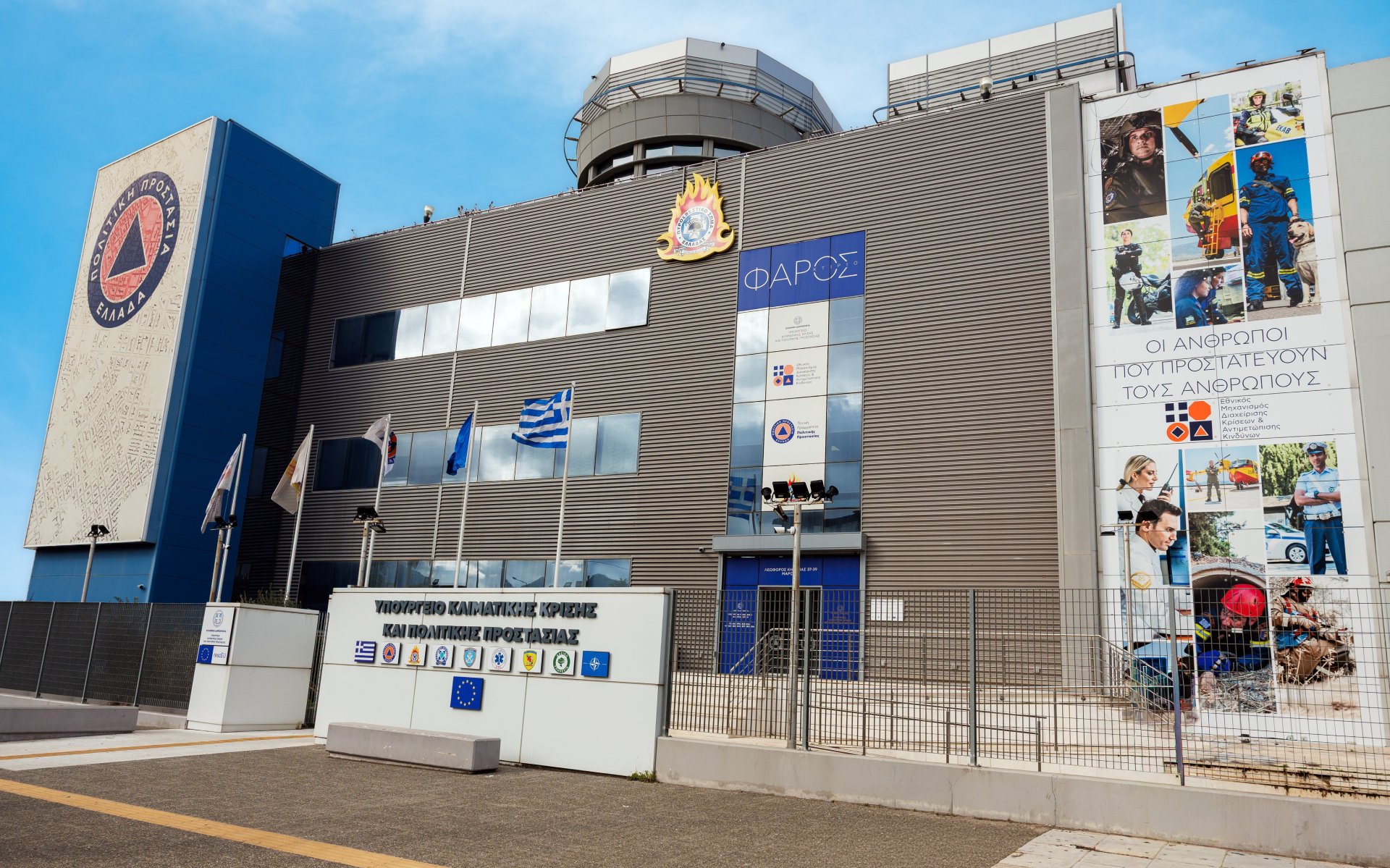
It equips Civil Protection with modern facilities to meet operational and training needs, as well as with state-of-the-art resources for operational command and coordination.
This concerns the upgrading of the infrastructure at the very “heart” of Civil Protection, as well as the acquisition of new aerial surveillance assets that serve as Civil Protection’s “eyes” in the sky.
These investments create a strengthened Civil Protection Mechanism, capable of responding more effectively to the demands of its mission and to the challenges of climate crisis.
Mobile Airborne Command and Operations Management Centers
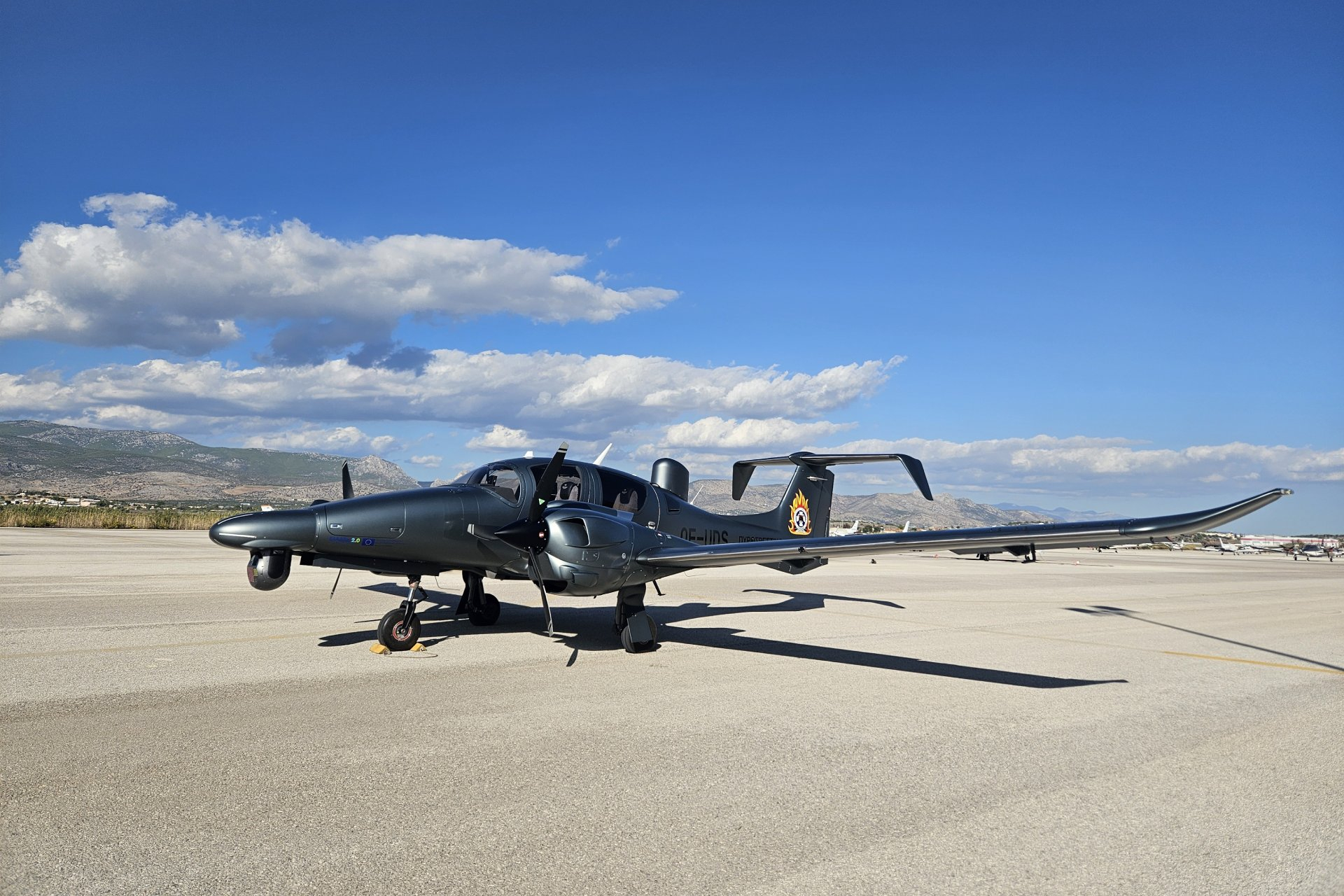
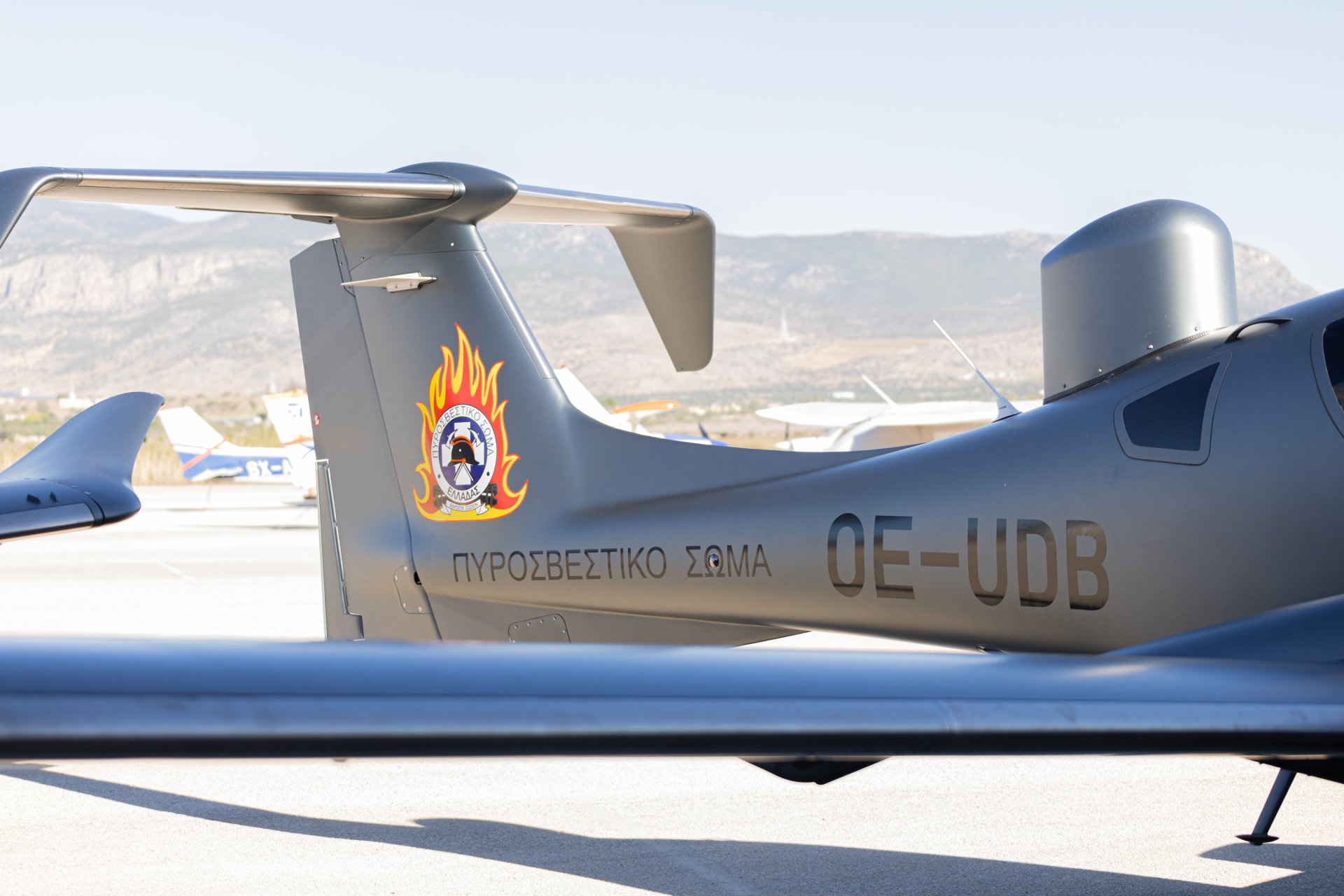
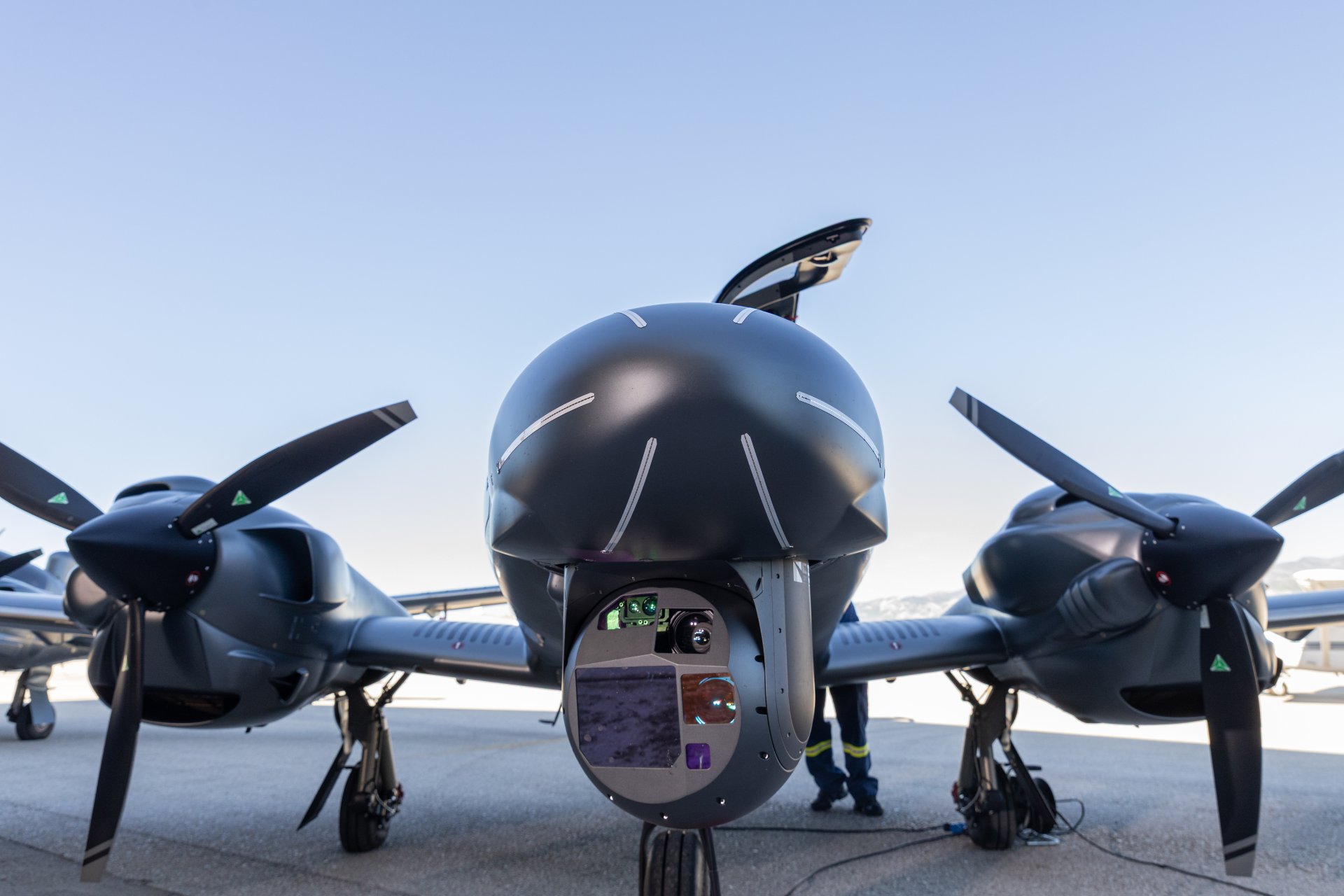
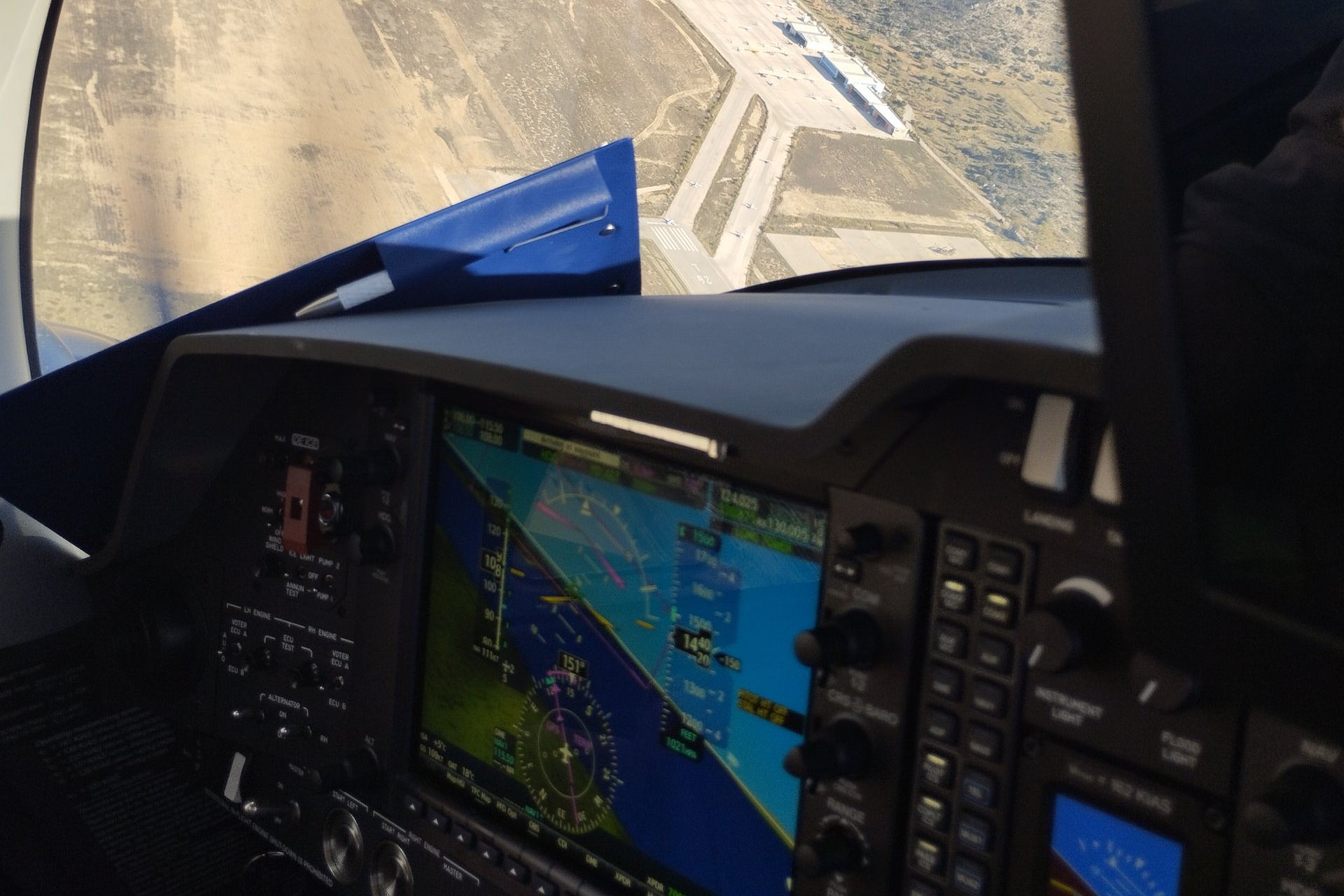
This procurement concerns the three Diamond DA62 MPP aircraft received by the country in November 2025, which are the first aircraft owned by the Fire Service and permanently integrated into its operational planning.
These twin-engine, state-of-the-art aircraft can operate as Airborne Operations, Monitoring, and Data Recording Centers ISR (Intelligence, Surveillance, Reconnaissance).
They are equipped with advanced intelligent command systems and cutting-edge electro-optical systems (optical, thermal, and infrared sensors). Through these capabilities, they can monitor the operational field, collect accurate data, and transmit this data in real time to the Civil Protection Operations Center, together with live imagery from the field.
In this way, they support better assessment of emergency situations, critical decision-making, and overall operational effectiveness.
In addition, their technical and operational characteristics provide them with the following capabilities:
- flight range that, under certain conditions, can exceed 1,500 km
- flight endurance of more than 7 hours
- minimal fuel consumption
Establishment of a Strategic National Disaster Risk Management Center
In other words, they are capable of monitoring extensive areas and remaining in the field for long periods, ensuring low operating costs while also contributing to environmental protection.
The ISR aircraft will be used for forest surveillance, wildfire prevention, monitoring of flood or seismic phenomena, search and rescue, damage assessment, and, more generally, for the coordination of operations during natural disasters.
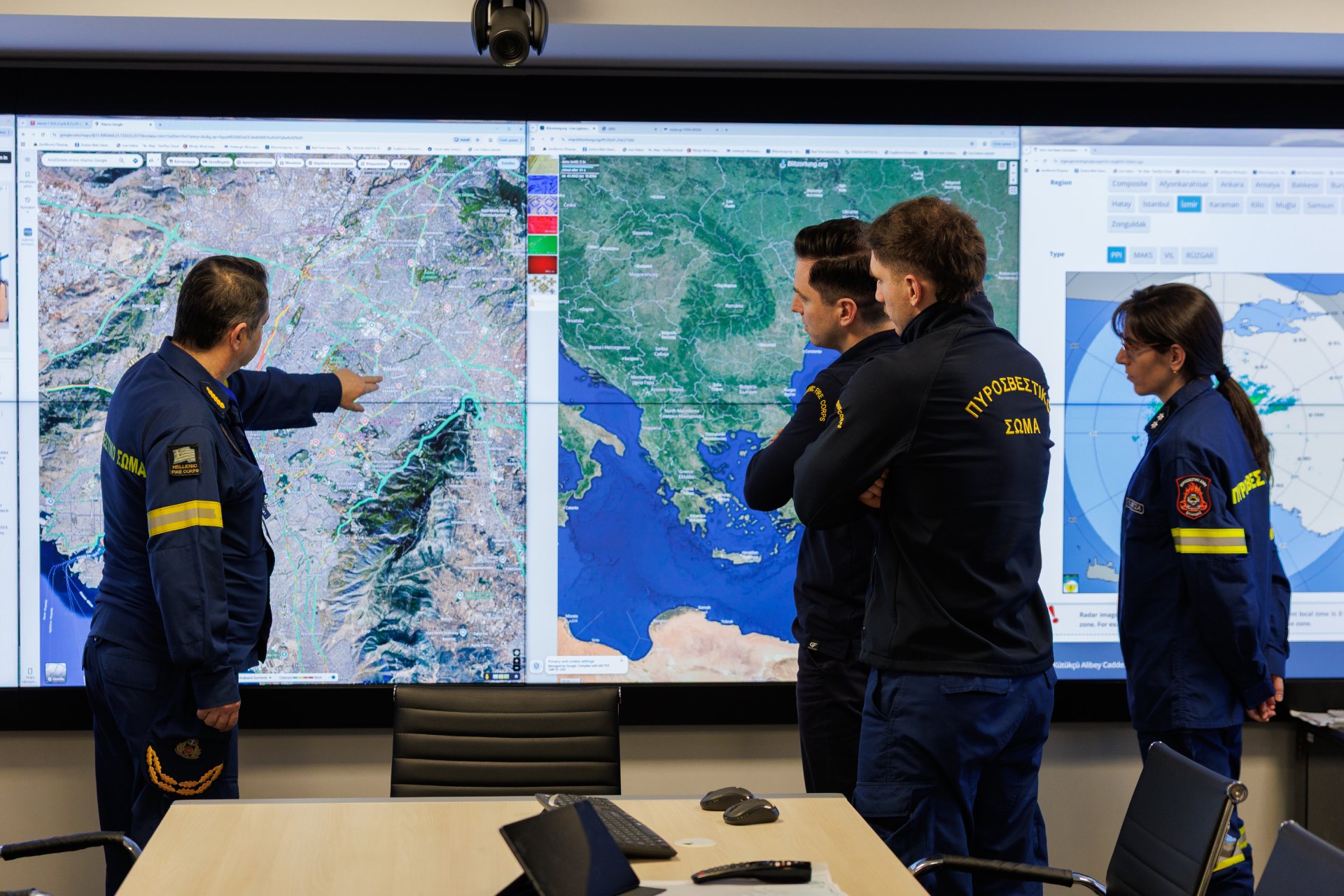
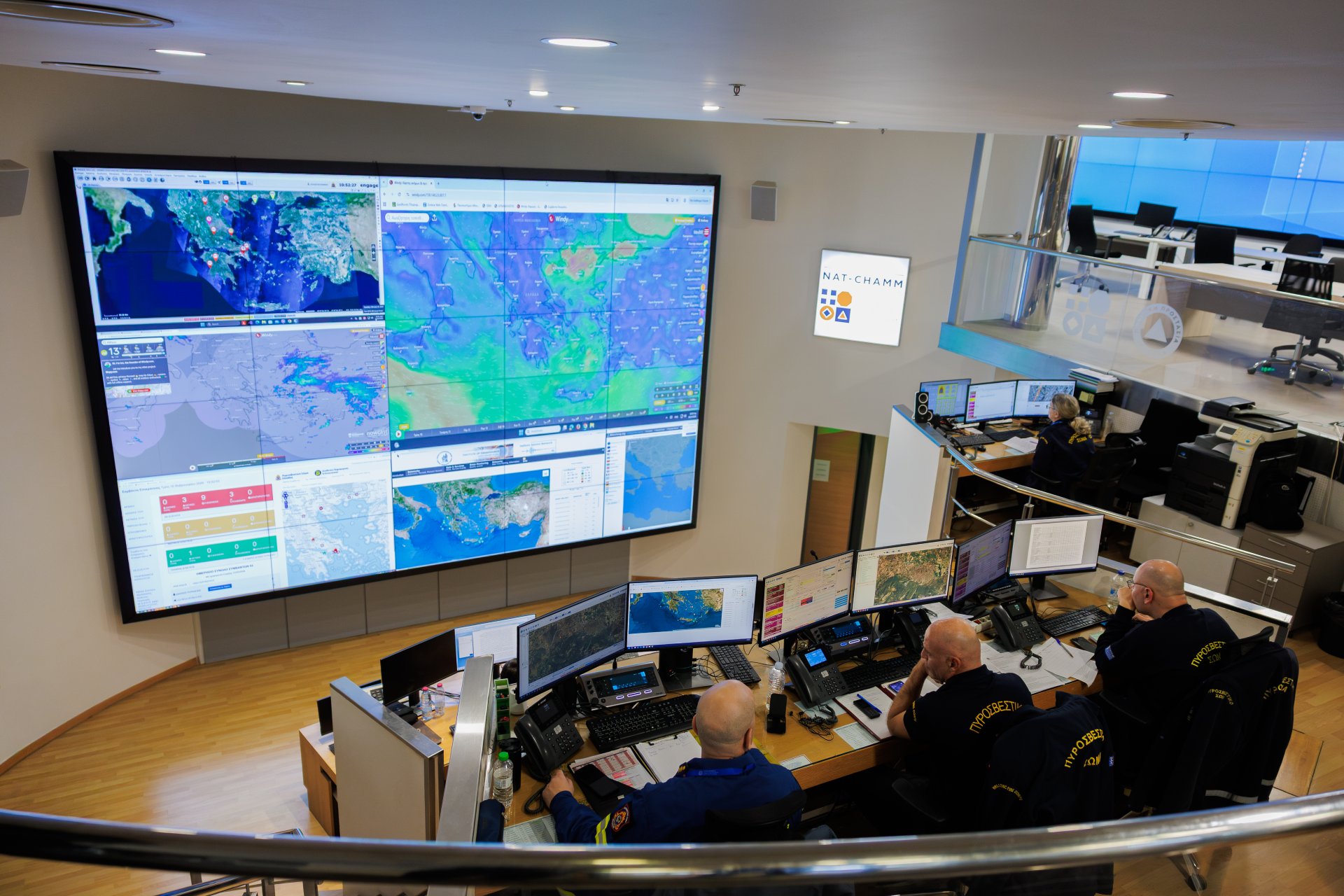
Within the framework of the AIGIS Program, in recent years the “Faros,” “Atlas,” and “Prometheus” buildings, along with other facilities, were renovated and upgraded with RRF funding, with the aim of effectively managing and addressing health risks, risks related to natural disasters, and other critical situations.
It is worth noting that the “Faros” building houses, among other services, the National Coordination Center for Operations and Crisis Management (ESKEDIK), which is responsible for operational coordination and cooperation among all competent bodies and services in the context of implementing the National Civil Protection Plan at national, regional, and local level.
Modernization of Facilities and Equipment of the Educational Institutions of Civil Protection and the Fire Service
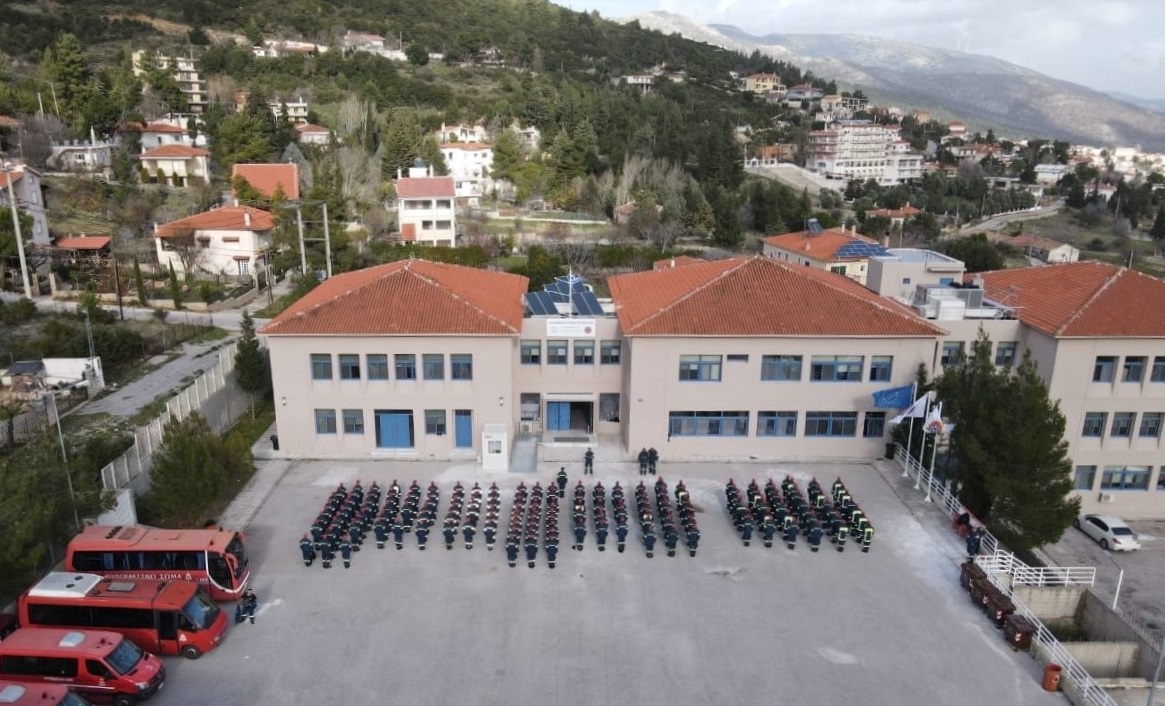
These investments concern the modernization and equipping of educational institutions of Civil Protection and the Fire Service, such as the Civil Protection Academy and the Ptolemaida Fire Academy.
The projects include the development and renovation of building infrastructure, as well as the procurement of the necessary educational and technical equipment to provide high-level education and effective training to Fire Service personnel and staff of other Civil Protection bodies.
Among other things, the equipment includes fire, driving, and aircraft simulators, making use of virtual reality.
Budget and Funding
The AIGIS Project has a total budget of €2,077,494,365 dedicated to strengthening Civil Protection.
Funding is allocated across four main intervention pillars:
- 216.101.632€ – Infrastructure and facilities upgrades
- 346.264.004€ – Warning systems and prevention resources
- 193.091.652€ – Equipment and coordination support resources
- 1.322.037.079€ – Operational equipment and response assets
This investment is implemented within the above pillars and financed by the Recovery and Resilience Facility through the National Plan “Greece 2.0,” with resources from the European Union – NextGenerationEU.