



Development of an Innovative Monitoring and Management System
Home > Initiatives & Projects (RRF) > Development of an Innovative Monitoring and Management System
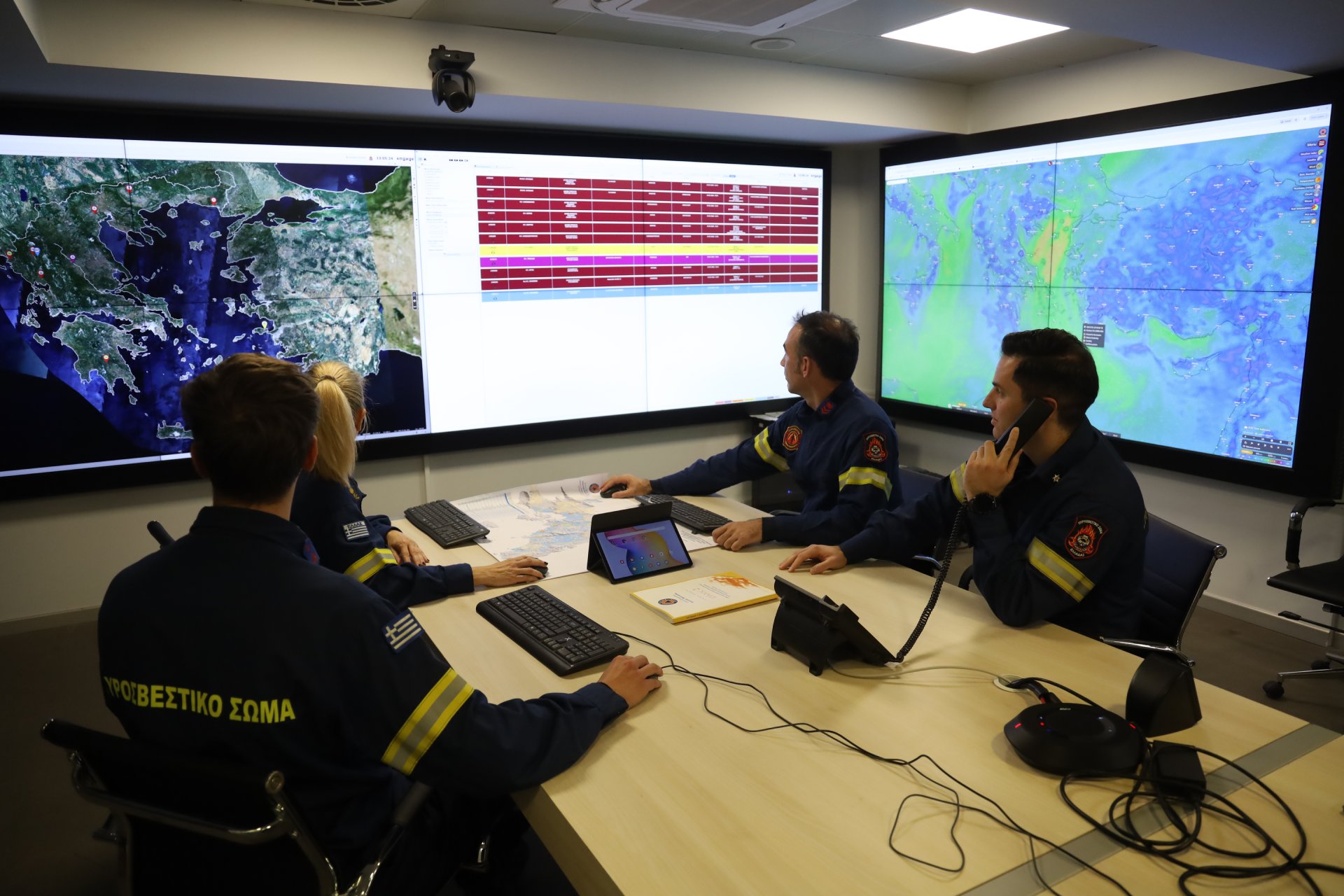
The effective management of the challenges arising from climate crisis requires reliable data, modern digital infrastructure, and the ability to maintain real-time operational awareness.
Within the framework of the AIGIS Program and Action 16910 of “Greece 2.0”, a comprehensive investment is being implemented in intelligent systems that technologically equip Civil Protection.
These are solutions that upgrade the monitoring and operational coordination system and strengthen prevention and early risk detection capabilities.
The Action reflects the central strategic priority of the Ministry of Climate Crisis and Civil Protection, namely the transition from a model of reaction to a model of prevention, preparedness, and immediate intervention.
Fire Detection and Fire Suppression System – Protecting Archaeological Sites
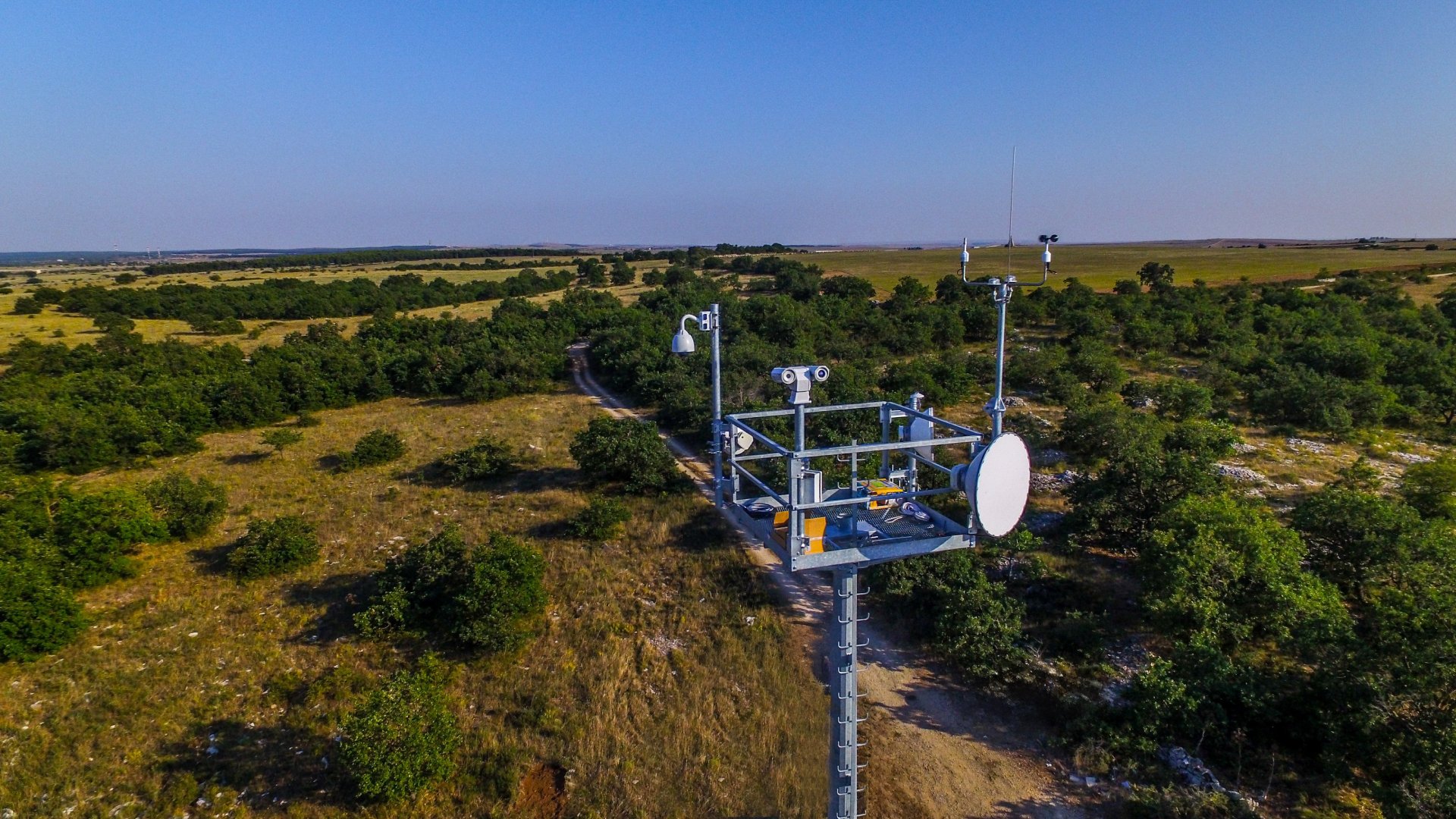
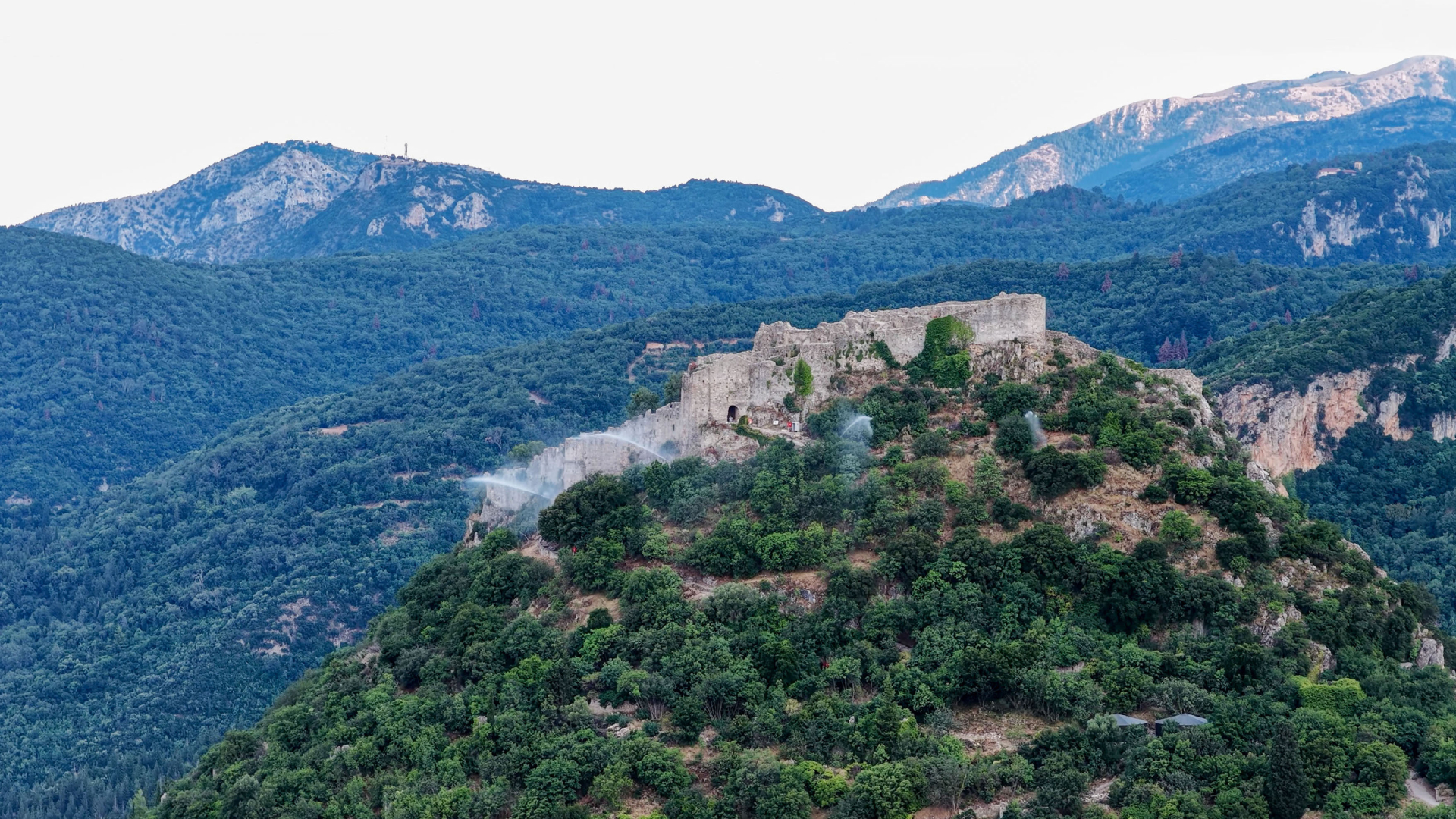
One of the flagship projects under this Action concerns the procurement and installation of an Integrated Information System for fire detection and fire suppression at 21 archaeological sites, cultural heritage monuments, and national parks, as well as in the Mount Athos area.
Under the project, the planned deliverables include early fire detection stations, meteorological stations, regional and coordinating control centers, and portable fire suppression cannons.
The project enables early warning in the event of fire, allowing the Fire Service and, more broadly, the Civil Protection Mechanism to intervene immediately. At the same time, the stations collect information at central level, thereby providing stronger support for operational action.
The systems will be installed at the archaeological sites of Olympia, Delphi, Epidaurus, Mystras, the Temple of Aphaia in Aegina, Mycenae, the Western Hills of the Acropolis, the Acropolis of the Port of Thasos, Knossos, Souriza in Lavreotiki, the Palace of Nestor in Pylos, Ancient Messene, the Sanctuary of the Great Gods of Samothrace, Peristeria, Phaistos, Platamon Castle, Nicopolis, Dodona, Dion, the Monastery of Hosios Loukas in Boeotia, the former royal estate of Tatoi in Attica, and the Athos Peninsula.
In this way, the protection of these sites against the risk of fire is significantly strengthened, while also enhancing the safety of the millions of Greek and international travelers who visit our country’s cultural monuments every year.
Meteorological Stations for Early Warning
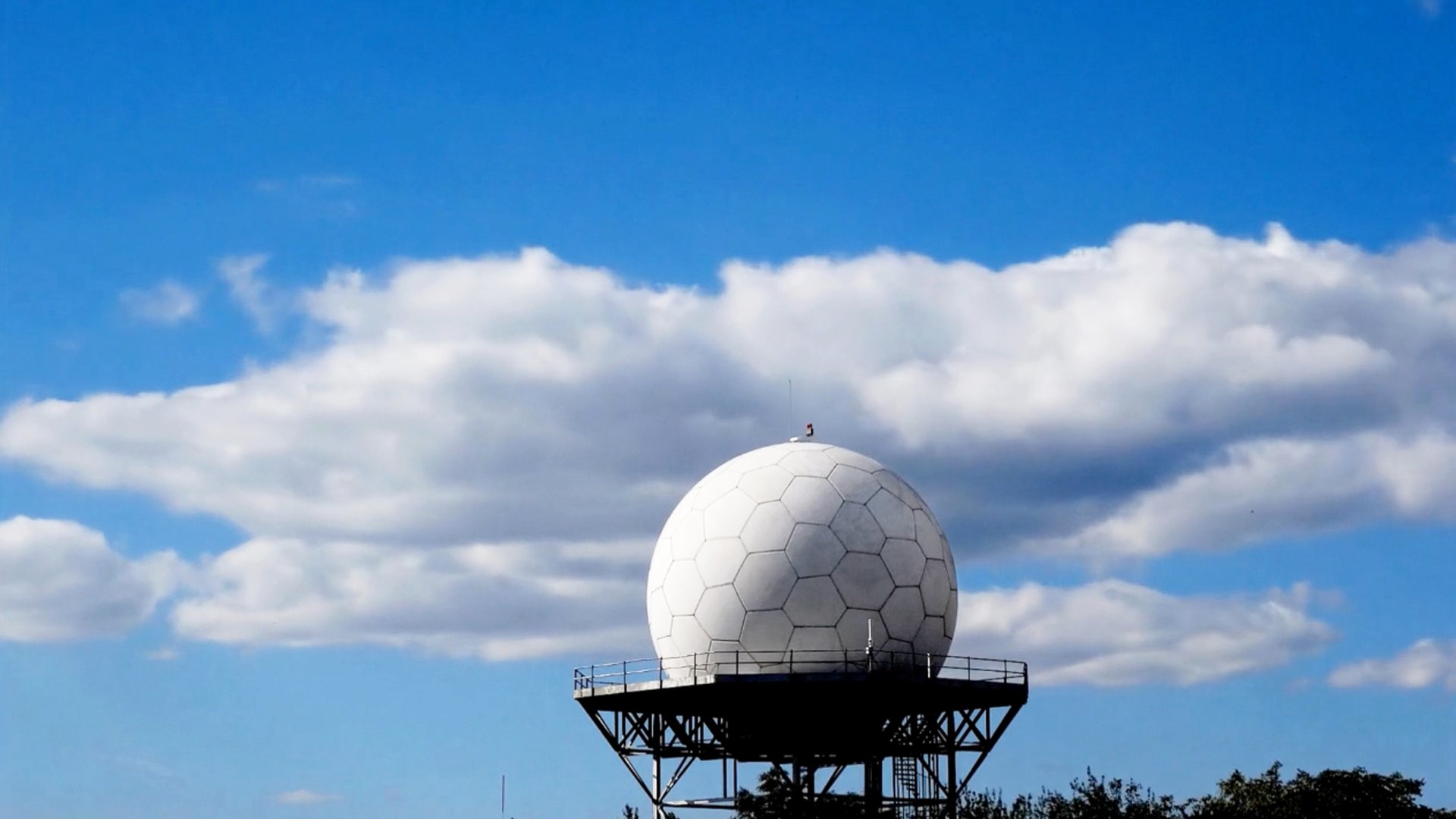
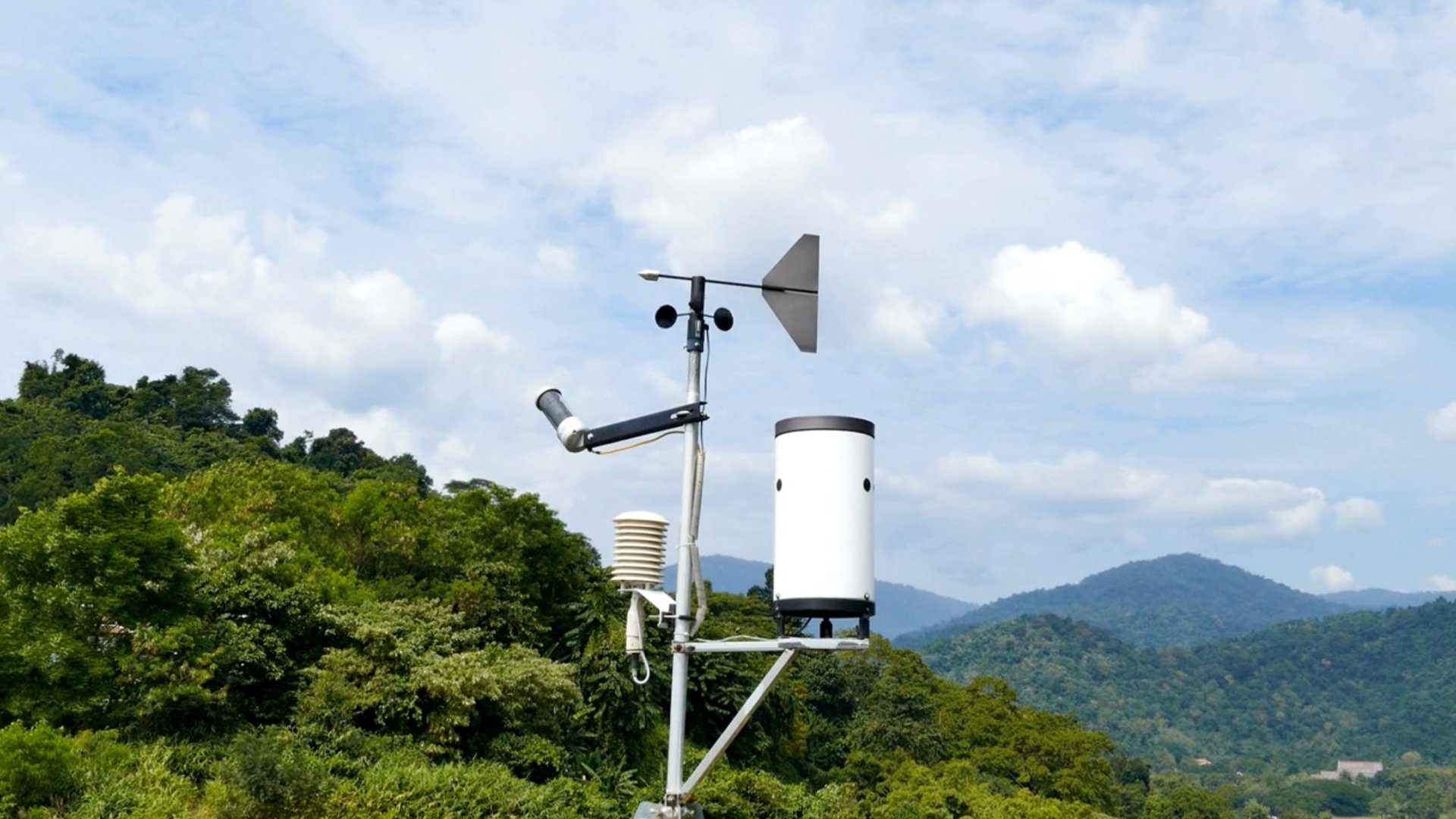
This project strengthens the existing National Network of Meteorological Stations for the observation and forecasting of weather conditions through three main actions:
- installation of new Hydrological Automatic Meteorological Stations
- creation of a lightning detection network through the installation of modern sensors for the detection of atmospheric electrical discharges
- upgrading of satellite systems
The objective of the project is to improve the ability to forecast severe weather phenomena—whose frequency has increased due to climate crisis—with greater accuracy and broader coverage across Greek territory.
In this way, the safety of citizens is enhanced and the impacts of climate-related events are reduced through stronger prevention and preparedness, timely warning of the population, and immediate intervention.


Emergency Communications and Climatological Data Stations (Radar)
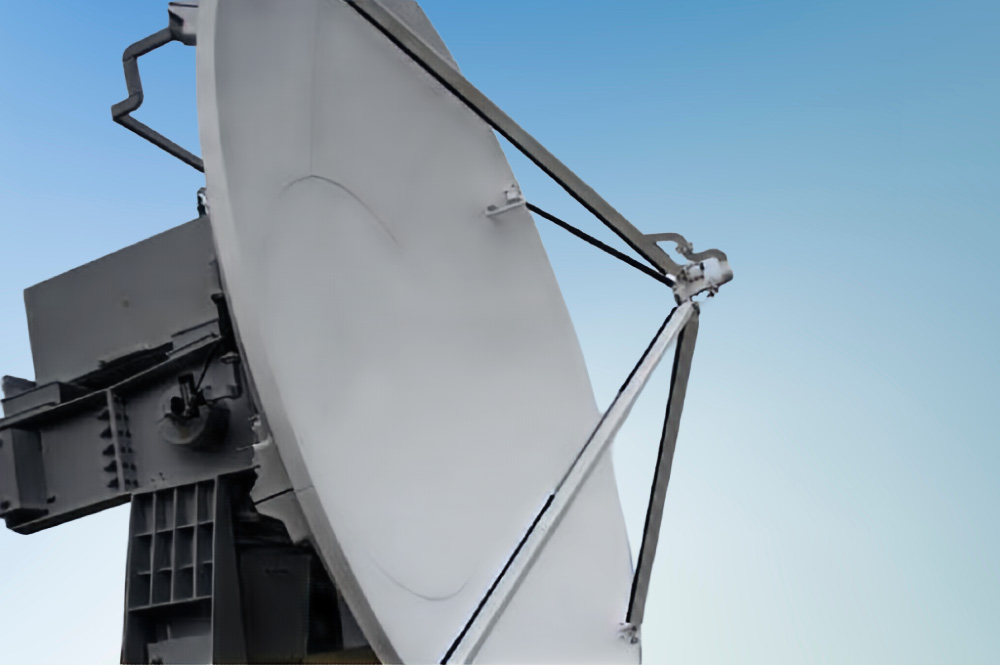
This project concerns the procurement of innovative medium- and long-range radar systems, with the aim of creating a modern meteorological system with extensive geographical coverage.
It also includes the development of infrastructure for a nowcasting system, featuring detailed risk maps and highly accurate forecasts for severe weather phenomena.
Nowcasting refers to very short-term forecasting—covering the next few minutes up to one hour—based on the real-time monitoring of weather phenomena as they develop, enabling the rapid detection of risks such as lightning and floods.
These are critical tools that support rapid decision-making, timely warning of citizens, and, consequently, strengthen preparedness and immediate response, while reducing the risks and impacts of natural disasters.
GPS Vehicle Fleet Management System – ENGAGE Upgrade
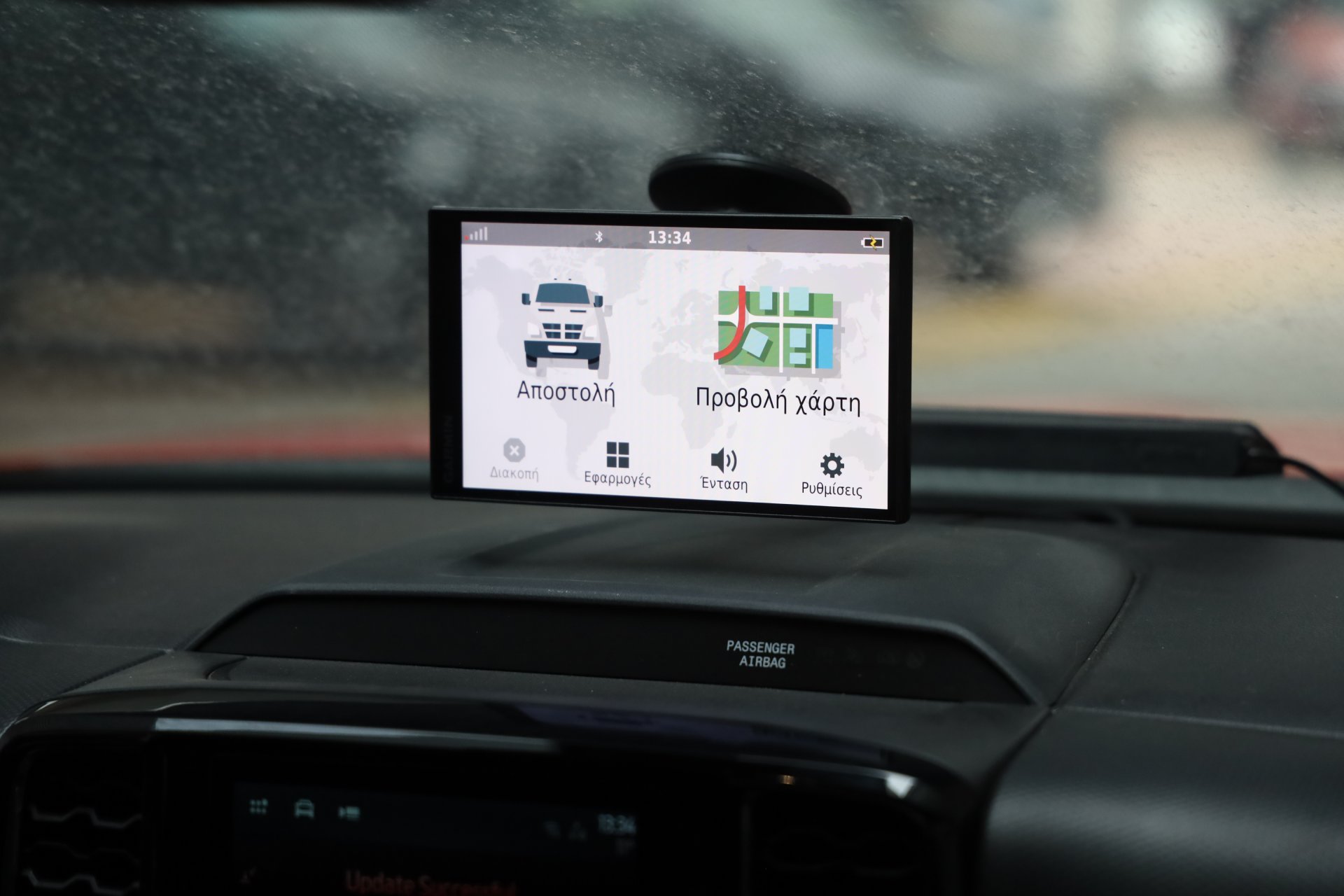
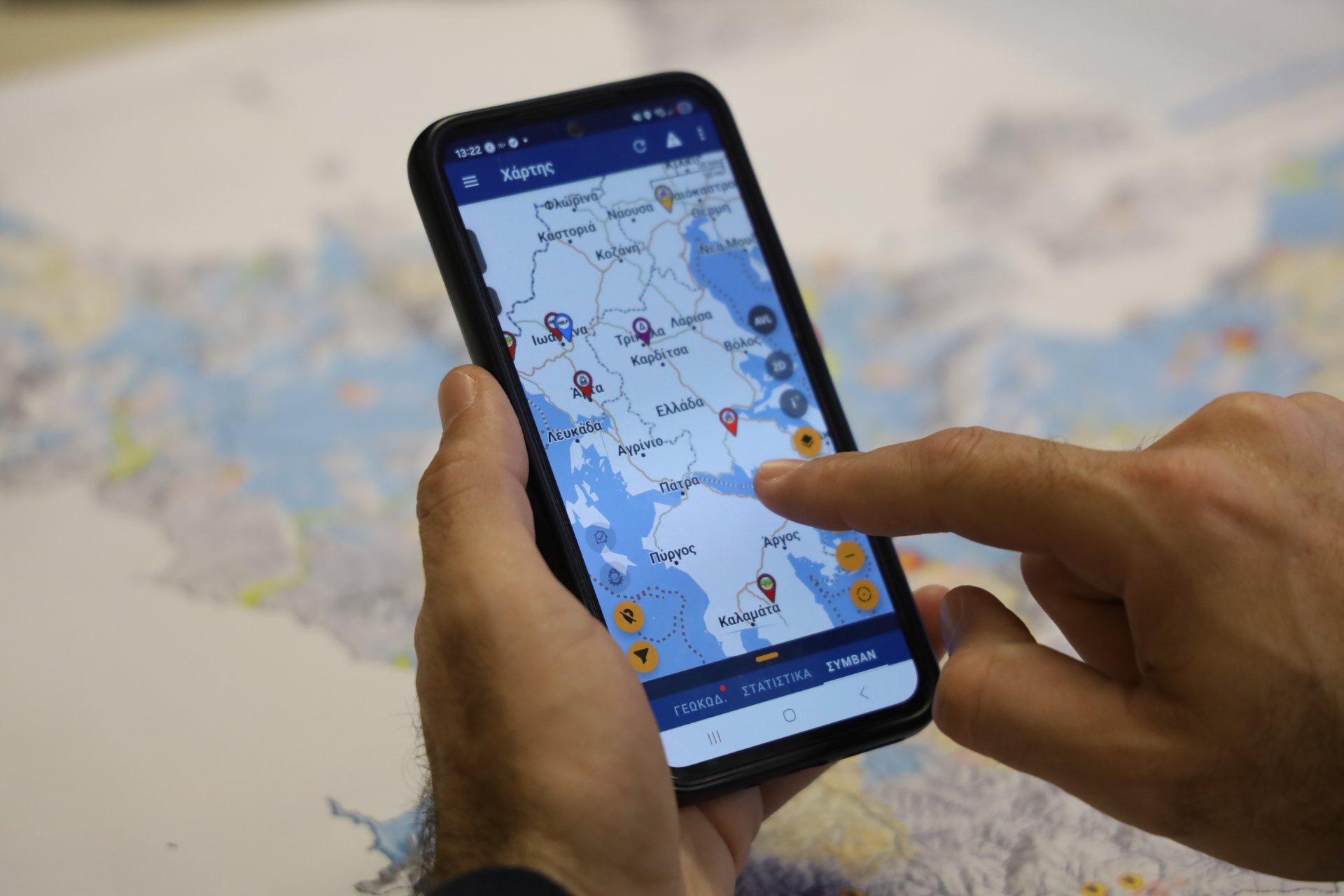
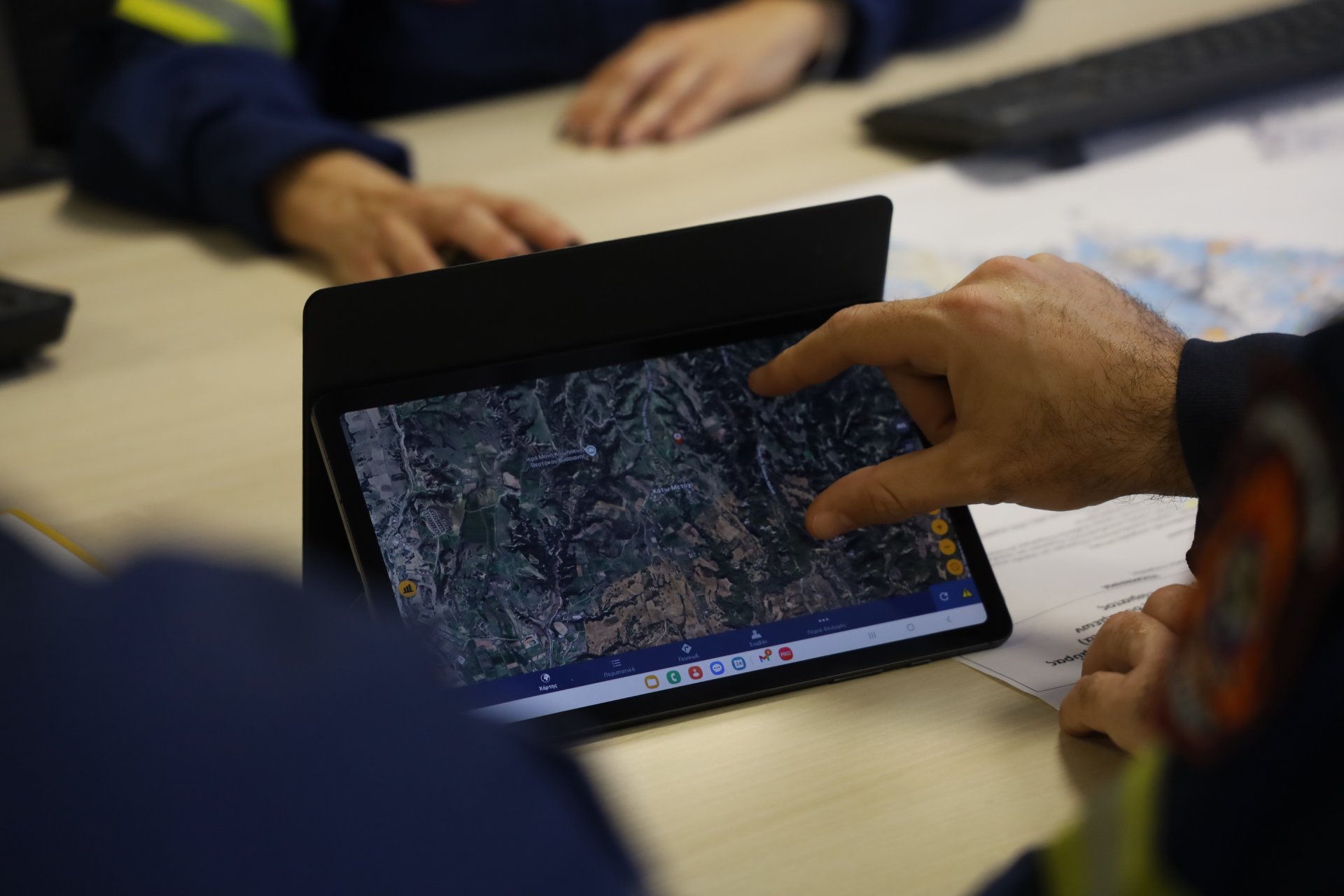
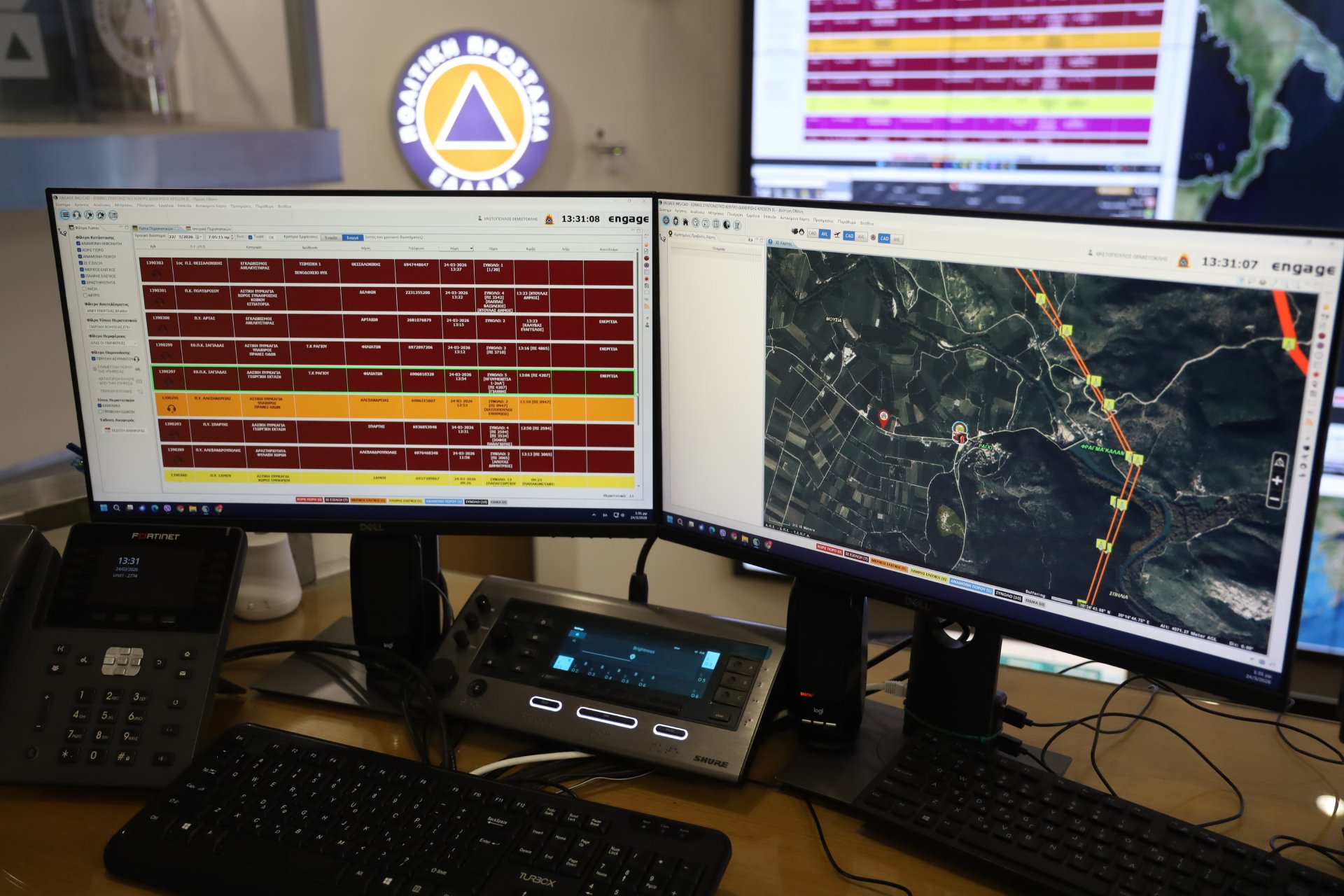
Through this project, an Integrated GPS Information System was implemented for the management of the vehicle fleet of the Fire Service and Civil Protection entities (Regions and Municipalities).
It is a system of equipment and software that provides the competent Civil Protection services at central, regional, and local level with telematics data and real-time information on incidents and available resources.
This investment also includes the upgrade of the Fire Service’s operational information system, ENGAGE, through the integration of real-time data.
In this way, the transition to a digitally interconnected Civil Protection system is achieved, where real-time information leads to better situational awareness, faster decision-making, immediate response, more effective use of resources, and enhanced interoperability and coordination for the protection of citizens and the environment.
New Simulators and Training Systems for the Fire Academy
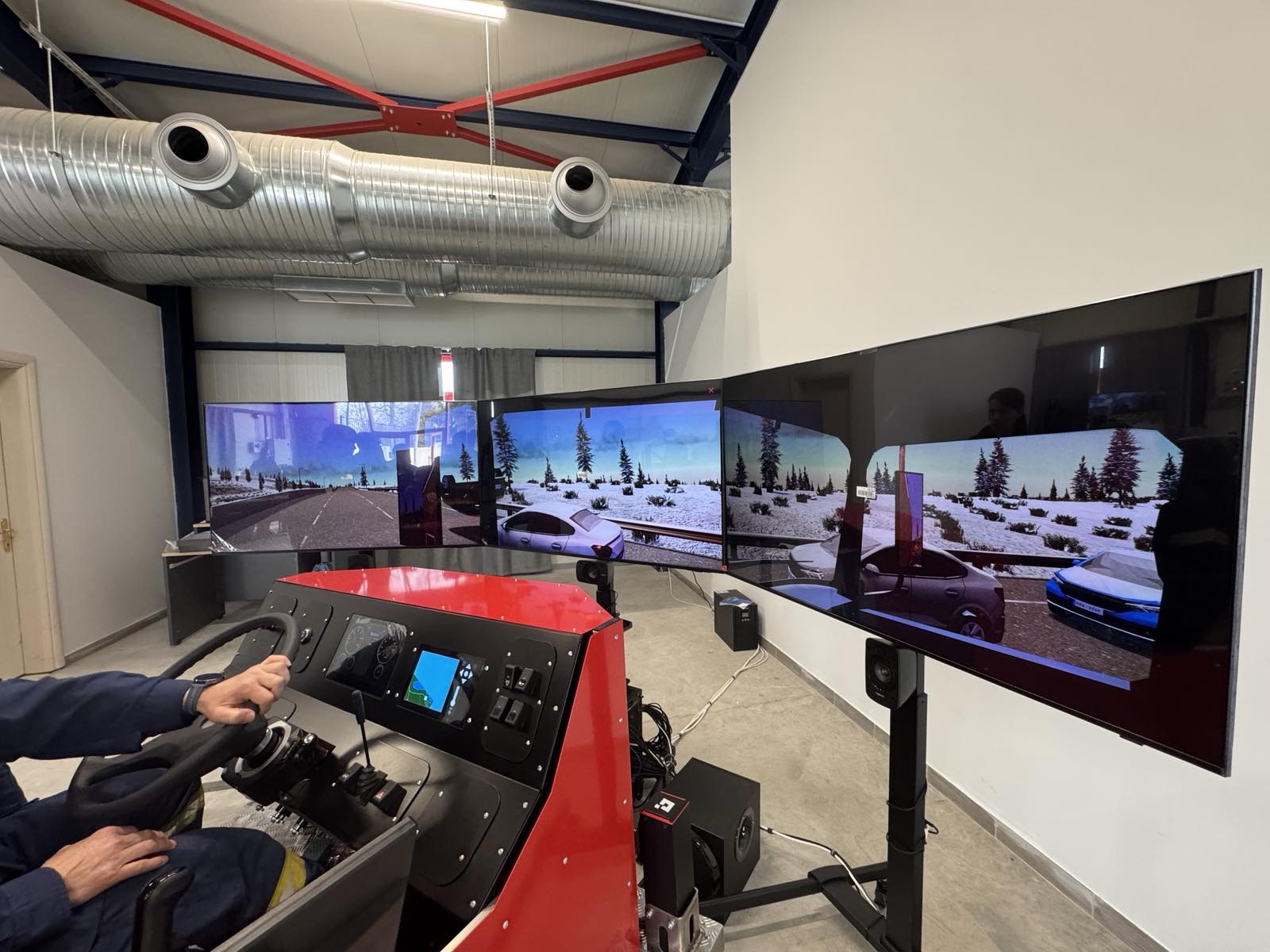
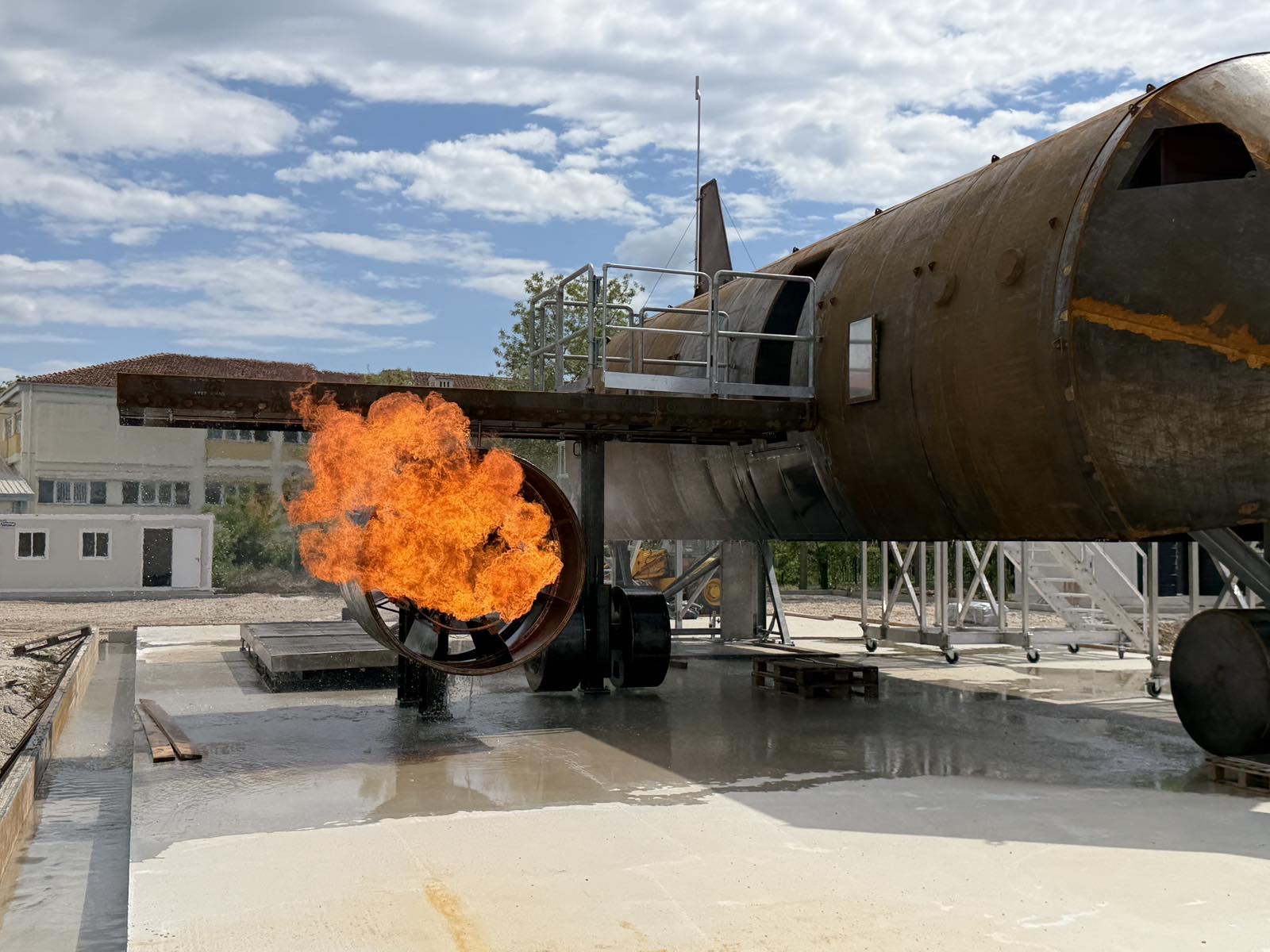
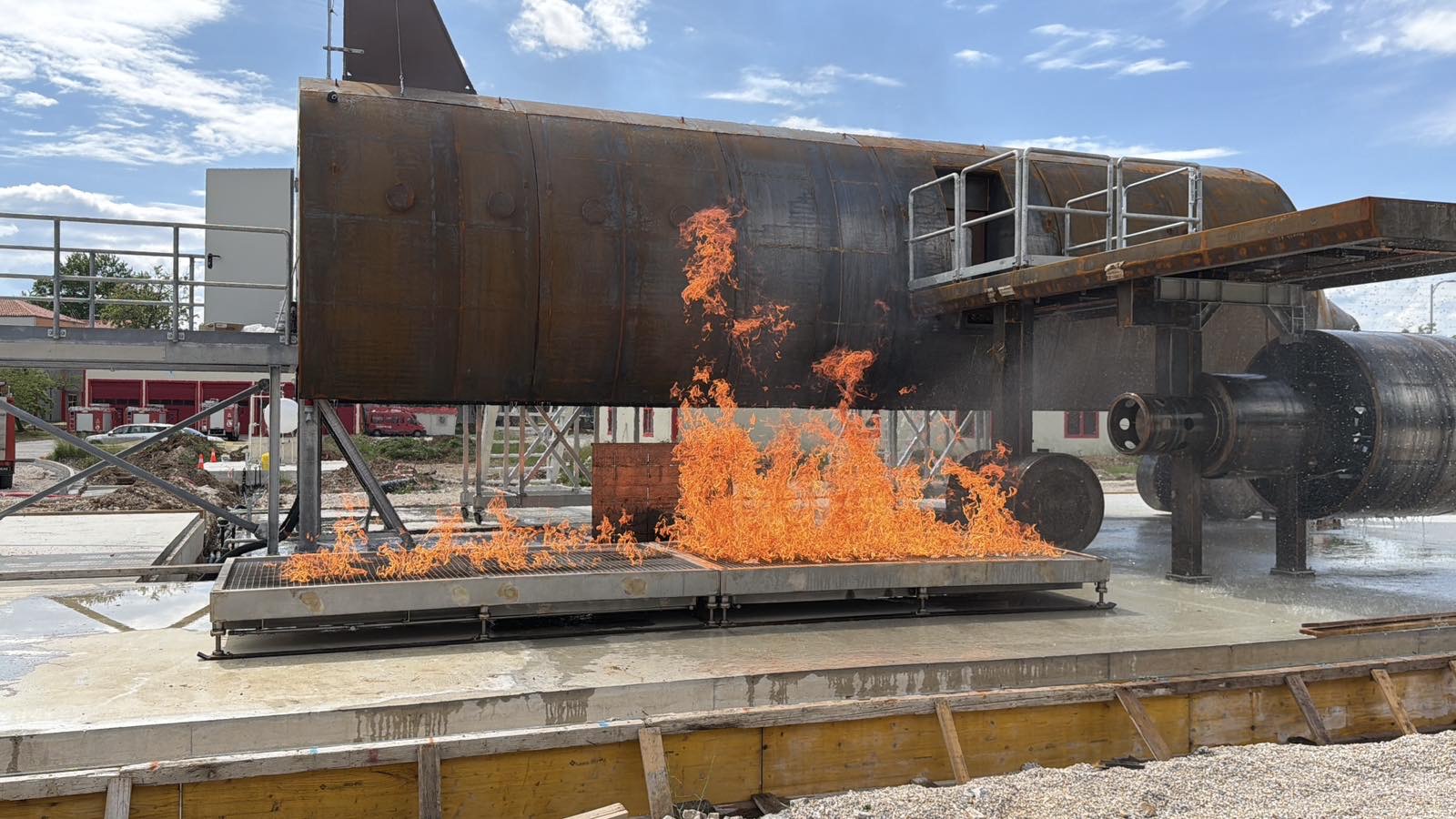
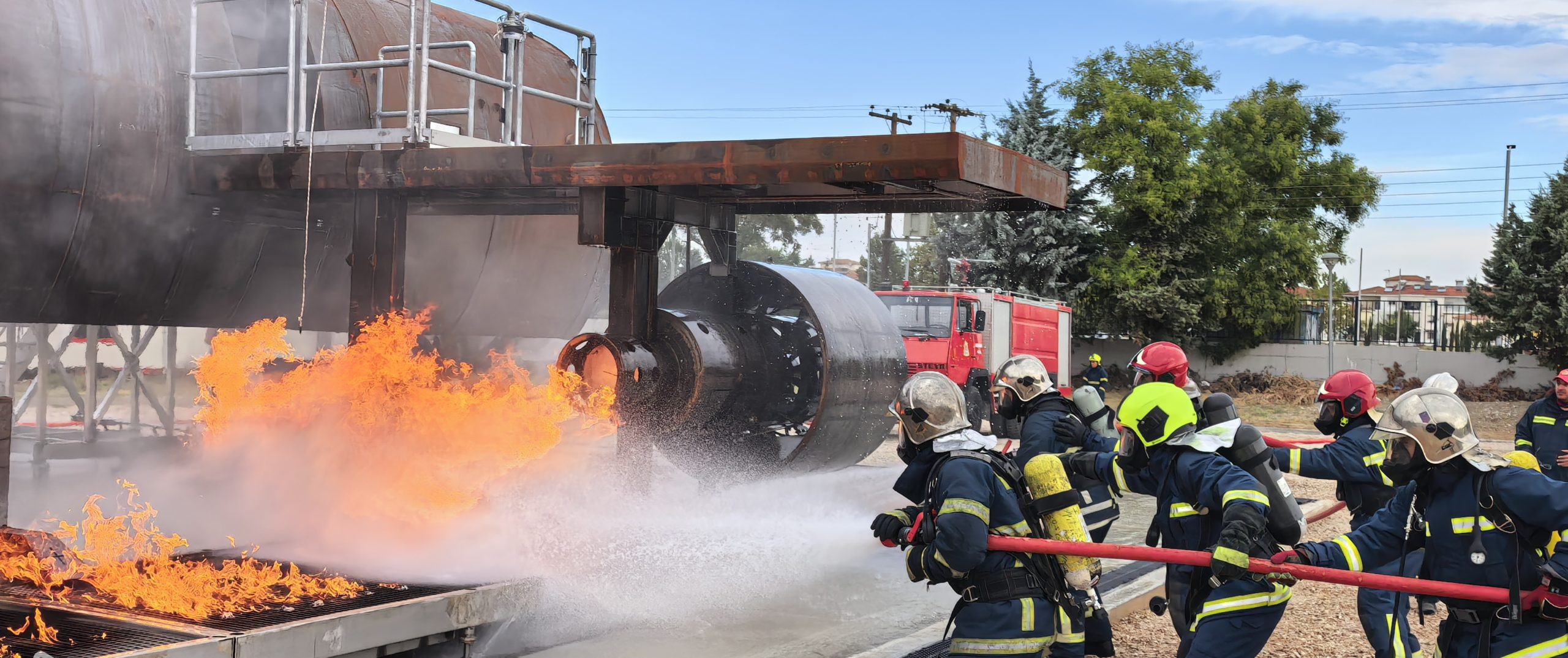
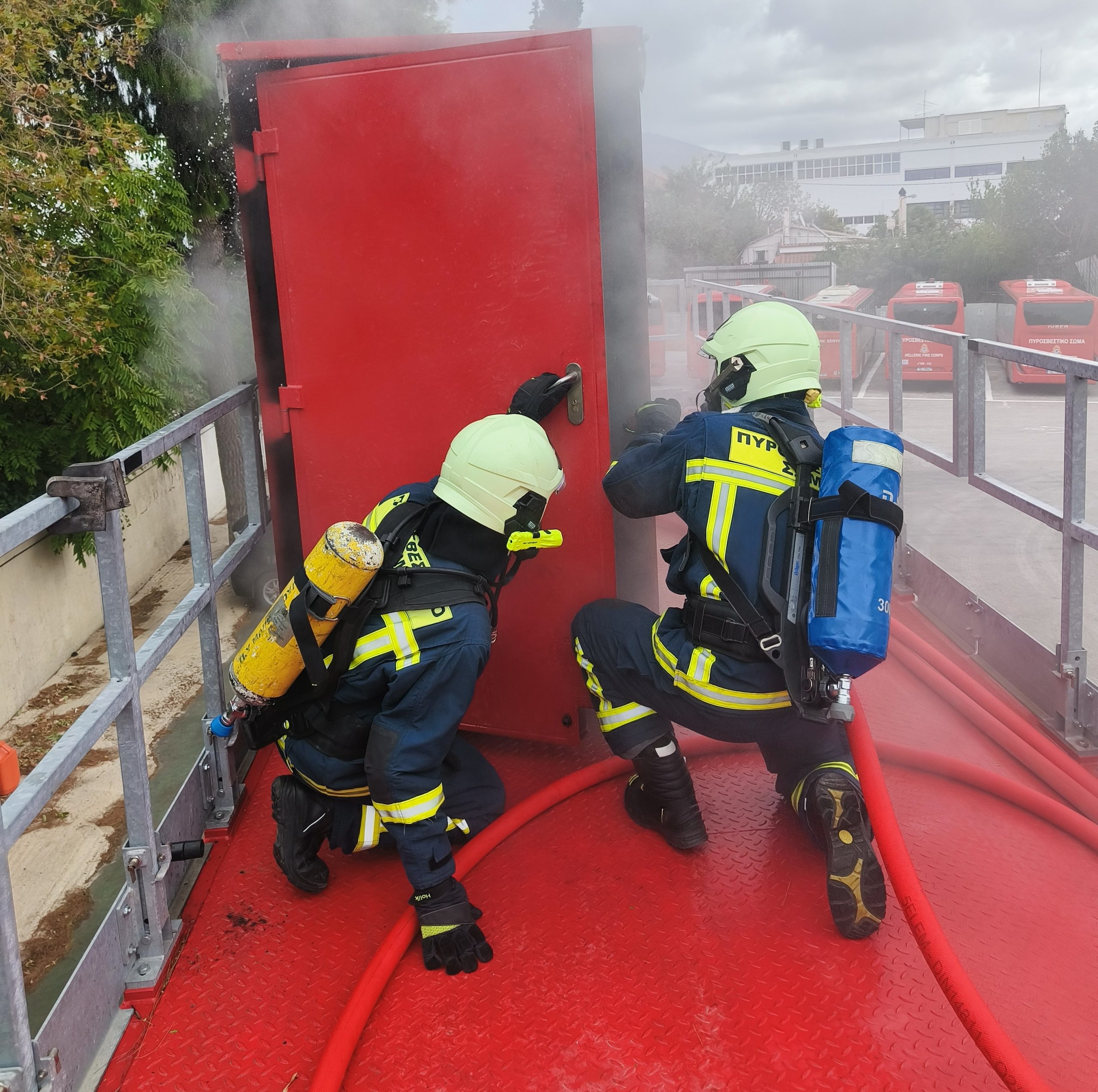
The upgrading of the training infrastructure of the Civil Protection Academy and the educational institutions of the Hellenic Fire Service is being strengthened through the procurement of modern simulation and training systems. These systems enable hands-on training under realistic operational conditions, contributing to the development of specialized skills and improving emergency response preparedness.
Fire Truck Driving Simulators
The procurement of four driving simulators, two for Category B vehicles and two for trucks, enhances driver training under challenging road and weather conditions, contributing to safer driving practices and improved operational skills.
Mobile Fire Training Simulator
The mobile fire training simulator provides practical training opportunities under controlled fire conditions, aiming to familiarize firefighters and trainees with firefighting techniques, rescue operations, and the management of hazardous situations. Its mobility allows training sessions to be conducted at fire service facilities throughout the country.
Gas-Fired Aircraft Fire Simulator
The procurement of a gas-fired aircraft fire simulator enhances specialized training for responding to aviation emergencies by simulating fires in various sections of an aircraft and conducting search and rescue exercises under smoky conditions and limited visibility.